

Hey there! As a supplier of Reverse Leds, I've seen firsthand how important it is to customize the light output of these little wonders. Whether you're using them for automotive applications, signage, or just some cool DIY projects, getting the right light output can make all the difference. In this blog post, I'm gonna share some tips and tricks on how to customize the light output of a Reverse Led.
Understanding Reverse Leds
Before we dive into customization, let's quickly go over what Reverse Leds are. Reverse Leds are a type of light-emitting diode that emits light when a reverse voltage is applied. They're often used in automotive applications, like backup lights, because they provide a bright, clear light that's easy to see.
Factors Affecting Light Output
There are several factors that can affect the light output of a Reverse Led. Understanding these factors is key to customizing the light to your needs.
1. Voltage
The voltage applied to the Reverse Led plays a big role in its light output. Generally, the higher the voltage, the brighter the light. However, it's important not to exceed the maximum voltage rating of the Led, as this can damage it. Most Reverse Leds have a recommended voltage range, so make sure to stay within that range.
2. Current
Current is another important factor. The amount of current flowing through the Led determines how much light it emits. You can control the current using resistors. By choosing the right resistor, you can adjust the current and thus the light output.
3. Color Temperature
Color temperature affects the appearance of the light. A lower color temperature (around 2700K - 3000K) gives a warm, yellowish light, similar to traditional incandescent bulbs. A higher color temperature (around 5000K - 6500K) gives a cool, bluish - white light. You can choose a Reverse Led with the color temperature that suits your application.
Customizing the Light Output
Adjusting Voltage and Current
If you want to increase the brightness of the Reverse Led, you can increase the voltage within the safe range. However, it's usually easier and safer to adjust the current. You can do this by adding a resistor in series with the Led.
Let's say you have a Reverse Led that has a forward voltage drop of 3V and a recommended current of 20mA. If you're using a 12V power supply, you'll need to calculate the resistance of the resistor. Using Ohm's law (V = IR), you first find the voltage across the resistor (V_resistor = 12V - 3V = 9V). Then, using R = V/I, with I = 20mA (or 0.02A), you get R = 9V / 0.02A = 450 ohms. So you'd use a 450 - ohm resistor to get the right current and thus the desired light output.
Changing Color Temperature
If you're not happy with the color of the light, you can simply replace the Reverse Led with one that has a different color temperature. There are many options available on the market, so you can easily find the right one for your needs.
Using Dimmers
Another great way to customize the light output is by using a dimmer. A dimmer allows you to adjust the brightness of the Reverse Led according to your needs. You can use a simple potentiometer - based dimmer circuit for basic applications. For more advanced control, you can use a microcontroller - based dimmer that allows for more precise adjustment and even programmable lighting patterns.
Applications of Customized Reverse Leds
Customized Reverse Leds have a wide range of applications. In the automotive industry, they can be used for backup lights, interior lighting, or even accent lighting. For signage, customized Reverse Leds can create eye - catching displays. And in DIY projects, you can use them to add a cool lighting effect to your creations.
Other Accessories
If you're in the market for other related accessories, you might be interested in some of these:

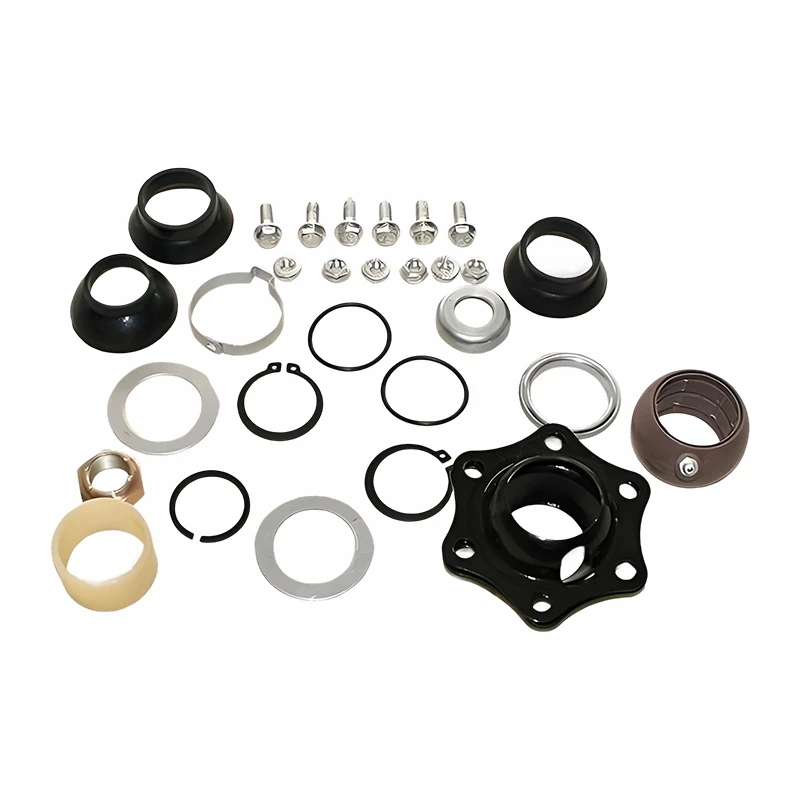
- Fifth Wheel Kingpin: This is a crucial component in many heavy - duty vehicle setups.
- Lashing Hook: Useful for securing loads and ensuring safety during transportation.
- Hand Control Valve: Ideal for controlling the flow of fluids in various systems.
Conclusion
Customizing the light output of a Reverse Led is not as complicated as it might seem. By understanding the factors that affect light output and using the right techniques, you can get the perfect light for your application. Whether you're looking for a bright, white light for automotive use or a warm, cozy light for a DIY project, you can achieve it with a little bit of knowledge and experimentation.
If you're interested in purchasing Reverse Leds or need more information on customization, feel free to reach out. We're here to help you find the best solutions for your lighting needs. Let's start a conversation and see how we can work together to get the perfect light output for your projects.
References
- Electronics textbooks on basic circuit theory and LED operation.
- Manufacturer datasheets for Reverse Leds.


