Cotter pins are simple yet essential fasteners used in a wide range of applications across various industries. As a cotter pin supplier, I have had the privilege of providing these versatile components to numerous clients, each with unique requirements. In this blog post, I will explore the different types of cotter pins, their characteristics, and common applications.
Standard Cotter Pins
Standard cotter pins, also known as split pins, are the most commonly used type of cotter pin. They are made from a single piece of wire bent into a U-shape with a split at one end. The split allows the pin to be inserted through a hole in a shaft or component and then spread apart at the open end to prevent it from falling out. Standard cotter pins are available in a variety of sizes and materials, including stainless steel, carbon steel, and brass.
These pins are widely used in automotive, machinery, and construction industries for applications such as securing nuts, bolts, and other fasteners. They are also used in agricultural equipment, marine applications, and even in some household items. The simplicity and reliability of standard cotter pins make them a popular choice for many different types of fastening needs.
Tapered Cotter Pins
Tapered cotter pins, as the name suggests, have a tapered shape. They are thicker at one end and gradually become thinner towards the other end. This design allows for a more secure fit when inserted into a tapered hole. Tapered cotter pins are often used in applications where a tight and stable connection is required, such as in heavy machinery and industrial equipment.
The tapered shape of these pins helps to distribute the load evenly, reducing the risk of loosening or failure over time. They are typically made from high-strength materials like alloy steel to withstand the high stresses and forces encountered in industrial environments. Tapered cotter pins are commonly used in the assembly of gears, shafts, and other mechanical components.
Grooved Cotter Pins
Grooved cotter pins feature a series of grooves along their length. These grooves serve several purposes. Firstly, they provide a better grip when the pin is inserted into a hole, reducing the likelihood of it slipping out. Secondly, the grooves can be used to align the pin with other components or to provide a visual indication of the pin's position.
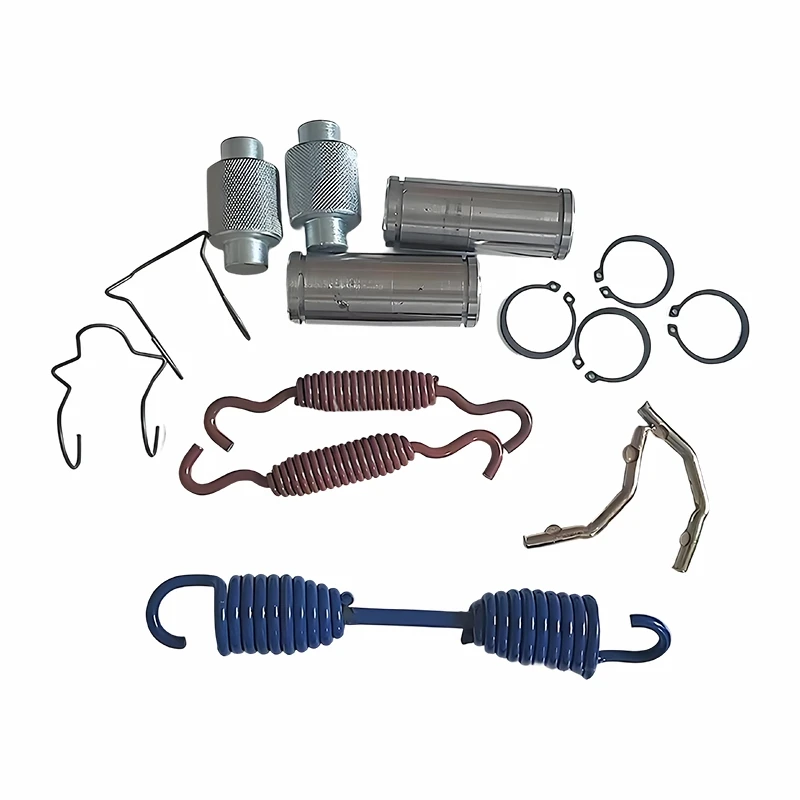
Grooved cotter pins are often used in applications where precise alignment is crucial, such as in aerospace and precision machinery. They are also used in some automotive applications, particularly in areas where vibration or movement could cause a standard cotter pin to loosen. The grooves help to maintain the pin's position and ensure a reliable connection.
R-Clip Cotter Pins
R-clip cotter pins, also known as R-pins, have a unique shape that resembles the letter "R". They are designed to be easily installed and removed without the need for special tools. R-clip cotter pins are typically used in applications where quick and frequent access to the fastened components is required.
These pins are commonly used in the automotive industry, especially in the assembly of suspension systems and steering components. They are also used in some household appliances and consumer products. The R-clip design allows for a simple and efficient way to secure parts while still providing the flexibility to make adjustments or replacements as needed.
Safety Cotter Pins
Safety cotter pins are designed with additional features to enhance safety. They may have a locking mechanism or a special coating to prevent them from coming loose accidentally. Safety cotter pins are often used in applications where the failure of a cotter pin could result in serious injury or damage, such as in elevators, cranes, and other heavy lifting equipment.
Some safety cotter pins are equipped with a self-locking feature that automatically engages when the pin is inserted into a hole. This helps to ensure that the pin remains in place even under extreme conditions. Others may have a corrosion-resistant coating to protect them from the elements and prevent rusting, which could weaken the pin over time.
Applications of Cotter Pins
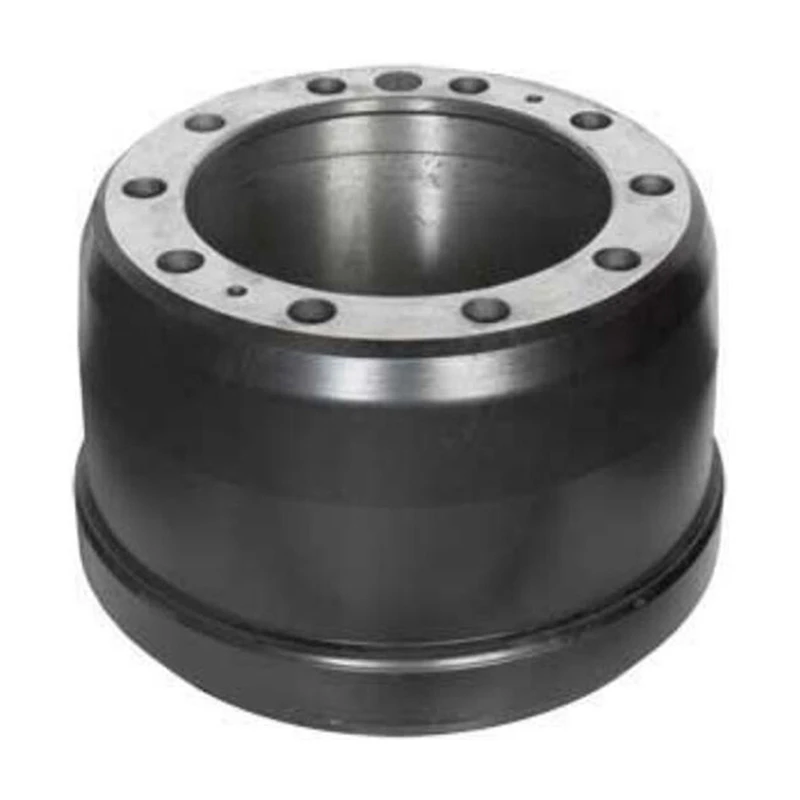
Cotter pins are used in a wide variety of applications across different industries. In the automotive industry, they are used to secure various components such as brake systems, suspension parts, and engine components. For example, a Brake Drum may be held in place by cotter pins to ensure proper alignment and operation.
In the machinery industry, cotter pins are essential for the assembly and maintenance of equipment. They are used to fasten gears, shafts, and other moving parts, ensuring that they remain in place and function correctly. In the construction industry, cotter pins are used in the assembly of scaffolding, cranes, and other structures to provide a secure connection between different components.
In the agricultural sector, cotter pins are used in tractors, combines, and other farm equipment to secure various parts such as belts, pulleys, and hydraulic cylinders. They are also used in the marine industry to fasten components on boats and ships, including rudder systems and anchor mechanisms.
Quality and Certification
As a cotter pin supplier, I understand the importance of providing high-quality products. All our cotter pins are manufactured to strict quality standards using the latest manufacturing techniques and equipment. We also offer a Certificate Of Conformity for our products, which ensures that they meet all the relevant industry standards and regulations.
Our commitment to quality extends to the materials we use. We source our materials from reputable suppliers and conduct thorough quality checks to ensure that they are of the highest quality. This helps to ensure that our cotter pins are strong, durable, and reliable, even in the most demanding applications.
Conclusion
In conclusion, cotter pins are a diverse and essential type of fastener with a wide range of applications. Whether you need a standard cotter pin for a simple household repair or a specialized tapered cotter pin for heavy industrial equipment, there is a type of cotter pin to suit your needs.
As a cotter pin supplier, I am dedicated to providing high-quality products and excellent customer service. If you are in need of cotter pins for your project, I encourage you to contact me to discuss your requirements. We can provide you with the right type of cotter pin at a competitive price and ensure that you receive the best possible solution for your fastening needs.
References
- Machinery's Handbook, Industrial Press Inc.
- Automotive Engineering Handbook, Society of Automotive Engineers (SAE)
- Handbook of Fastening Technology, ASM International