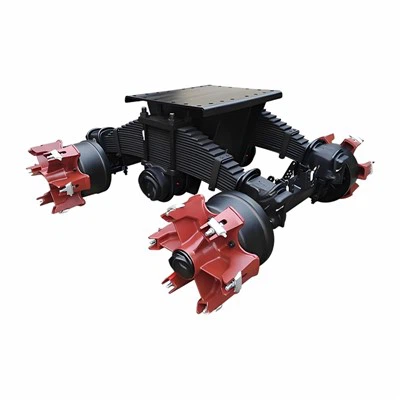
1. Alloy steel
Alloy steel is one of the most commonly used materials in axle manufacturing. It is made by adding appropriate amounts of alloying elements such as chromium, nickel, molybdenum, etc. to steel to improve the mechanical properties, wear resistance and corrosion resistance of steel. Alloy steel axles have high strength and hardness and can withstand the huge pressure and impact generated by vehicles during driving. In addition, alloy steel also has good toughness and plasticity, which makes it easy to process into axles of various shapes and sizes.
2. Carbon steel
Carbon steel is another common axle material. It is mainly composed of iron and carbon, and can be divided into low carbon steel, medium carbon steel and high carbon steel according to the carbon content. Carbon steel axles have high strength and good wear resistance, and are suitable for driving conditions with large loads and high speeds. However, compared with alloy steel, carbon steel has poor corrosion resistance and requires regular maintenance and care during use.
3. Stainless steel
Stainless steel axles are also used in certain specific occasions. Stainless steel has excellent corrosion resistance and wear resistance, and can maintain stable performance for a long time in harsh environments. Stainless steel axles are suitable for applications with high corrosion resistance requirements, such as coastal areas or vehicles that are frequently exposed to corrosive substances. However, stainless steel axles are relatively expensive and difficult to process, so they are relatively rarely used in general civilian vehicles.
In summary, the material of the axle is generally alloy steel, carbon steel or stainless steel. These materials have their own advantages and disadvantages, and when choosing, they need to be comprehensively considered according to the specific use conditions and requirements of the vehicle. Regardless of the material used, the quality and performance of the axle are key factors in ensuring the safe driving of the vehicle.