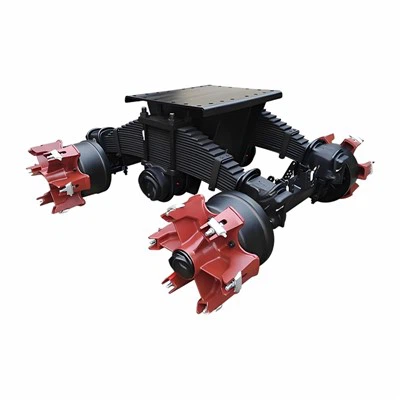
When you mention the axle, you may first think of its rotation function. However, the role of the axle is far more than that. It is not only the axis of the wheel rotation, but also the key to the vehicle's stability, handling and load-bearing capacity.
1. Support and load-bearing: The axle connects the wheel to the body through the bearing to ensure that the vehicle can run smoothly on various roads. At the same time, it also has to bear various loads from the body and wheels, including the vehicle's own weight, the weight of the passengers, and the dynamic load during driving.
2. Transmit power: On the drive shaft, the axle also plays the role of transmitting power. It transmits the torque generated by the engine to the wheels through the transmission system, thereby driving the vehicle forward.
3. Steering and control: For vehicles that need to turn (such as cars and bicycles), the design of the axle must also take into account the flexibility of steering. Through the reasonable bearing layout and the design of the steering mechanism, the axle can ensure that the vehicle remains stable and accurate when turning.
Question time: Which design of the axle do you think best reflects its technical content? Leave your insights in the comment area!