

As a supplier of S - Camshaft L, I often receive inquiries from customers about whether there are different models of the S - Camshaft L. In this blog, I will delve into this topic, providing you with in - depth knowledge about the possible variations of the S - Camshaft L and their implications for different applications.
Understanding the Basics of S - Camshaft L
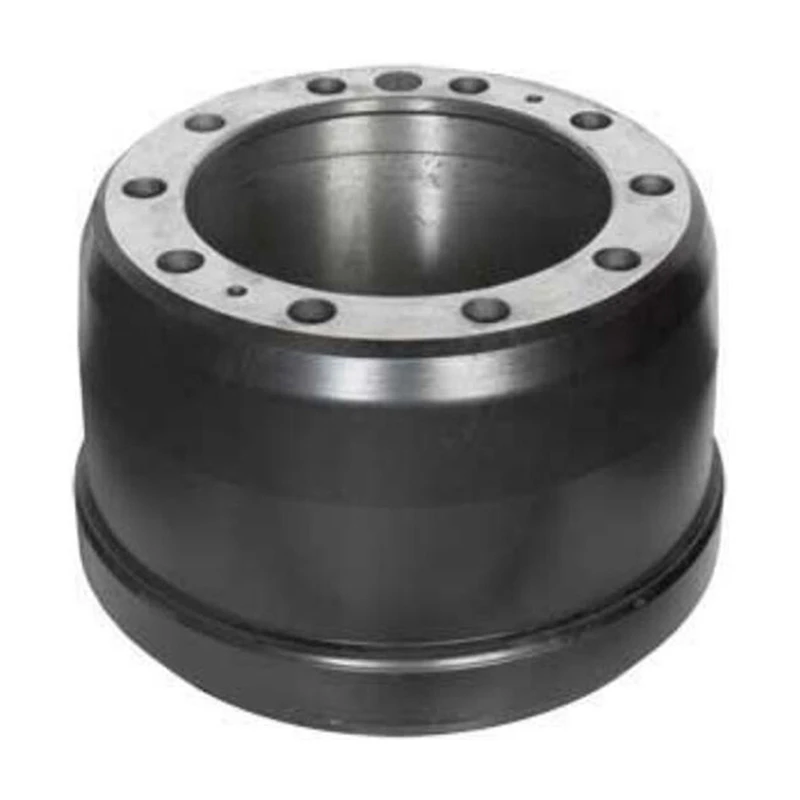
The S - Camshaft L is a crucial component in many mechanical systems, especially in the braking systems of heavy - duty vehicles. Its primary function is to convert the linear motion of the brake actuator into rotational motion, which in turn applies the necessary force to the brake shoes, causing them to press against the Brake Drum and slow down or stop the vehicle.
Factors Influencing the Existence of Different Models
- Vehicle Type and Size
- Different vehicles have different braking requirements. Heavy - duty trucks, buses, and trailers, for example, need more powerful braking systems compared to light - duty vehicles. As a result, the S - Camshaft L used in these heavy - duty applications may be larger in size, with a different cam profile. A larger cam profile can generate more torque, allowing for greater braking force.
- Light - duty vehicles, on the other hand, may use a smaller and more compact S - Camshaft L. The reduced size is suitable for the lower braking force requirements of these vehicles and also helps in optimizing the space within the braking system.
- Brake System Design
- There are various brake system designs in the market. Some braking systems are designed for high - performance applications, where quick and powerful braking is required. In such systems, the S - Camshaft L may have a special surface treatment to reduce friction and wear, and a precisely engineered cam profile to ensure accurate and consistent braking performance.
- Other brake systems may be designed for more general - purpose use, where cost - effectiveness and reliability are the main concerns. The S - Camshaft L in these systems may have a more standard design, without the advanced features of high - performance models.
- Manufacturing Standards and Regulations
- Different regions and countries may have their own manufacturing standards and regulations for vehicle components. For example, some areas may require a higher level of safety and durability for braking components. To meet these requirements, the S - Camshaft L may be manufactured with specific materials and processes.
- In addition, some manufacturers may also develop their own in - house standards for the S - Camshaft L, which can lead to differences in the models they produce. These standards may be based on factors such as the expected service life of the component, the operating conditions it will be exposed to, and the overall quality of the braking system.
Different Models of S - Camshaft L
- Heavy - Duty Models
- Heavy - duty S - Camshaft L models are typically used in large trucks and buses. These models are characterized by their large diameter and long length. The cam profile is designed to provide a high level of mechanical advantage, allowing for a significant increase in braking force.
- The materials used in heavy - duty models are often high - strength steel alloys. These alloys can withstand the high stresses and loads associated with heavy - duty braking applications. They also have good wear resistance, ensuring a long service life even under harsh operating conditions.
- Light - Duty Models
- Light - duty S - Camshaft L models are used in smaller vehicles such as light trucks and vans. They are smaller in size and have a more delicate cam profile. The reduced size makes them more suitable for the limited space available in light - duty vehicle braking systems.
- The materials used in light - duty models may be less expensive compared to heavy - duty models, but they still need to meet the basic requirements of strength and durability. Aluminum alloys or lower - grade steel may be used in some light - duty applications.
- Special - Purpose Models
- There are also special - purpose S - Camshaft L models available for specific applications. For example, some models are designed for use in off - road vehicles, where the braking system needs to perform well in rough and dirty environments. These models may have additional protective coatings to prevent corrosion and damage from dirt and debris.
- Other special - purpose models may be designed for high - speed applications, such as racing vehicles. These models are engineered to provide extremely quick and precise braking, with a cam profile optimized for rapid response.
Compatibility and Interchangeability
When considering different models of the S - Camshaft L, it is important to understand the concept of compatibility and interchangeability. Not all models are suitable for all vehicles or brake systems.
- Vehicle Compatibility
- Each vehicle is designed with a specific braking system in mind. The S - Camshaft L needs to be compatible with the other components of the braking system, such as the Wheel Bearing and the M22 Wheel Bolt. Using an incompatible S - Camshaft L can lead to poor braking performance, increased wear on other components, and even safety hazards.
- Interchangeability
- In some cases, different models of the S - Camshaft L may be interchangeable, but this should be carefully evaluated. Factors such as the cam profile, the mounting dimensions, and the material properties need to be considered. If an interchangeable model is used, it is important to ensure that it meets the same performance and safety standards as the original component.
Importance of Choosing the Right Model
Selecting the right model of the S - Camshaft L is crucial for the proper functioning of the braking system. A mismatched S - Camshaft L can lead to a variety of problems, including:
- Reduced Braking Performance
- If the S - Camshaft L does not provide the correct amount of force to the brake shoes, the braking performance will be compromised. This can result in longer stopping distances, which is a serious safety concern, especially in emergency situations.
- Increased Wear and Tear
- An incompatible S - Camshaft L can cause uneven wear on the brake shoes and other braking components. This can lead to premature failure of these components, increasing maintenance costs and downtime.
- Safety Risks
- A malfunctioning braking system due to an incorrect S - Camshaft L can pose a significant safety risk to the vehicle occupants and other road users. It is essential to choose the right model to ensure the safety and reliability of the vehicle.
Conclusion
In conclusion, there are indeed different models of the S - Camshaft L, which are designed to meet the diverse needs of various vehicles and braking systems. Factors such as vehicle type, brake system design, and manufacturing standards all play a role in determining the different models available.
As a supplier of S - Camshaft L, I understand the importance of providing the right product for each customer's specific requirements. Whether you are looking for a heavy - duty model for your large truck or a light - duty model for your van, I can offer a wide range of options to meet your needs.
If you are interested in purchasing S - Camshaft L or have any questions about the different models, please feel free to contact me for a detailed discussion. I am committed to providing high - quality products and excellent customer service. Let's work together to ensure the optimal performance and safety of your vehicle's braking system.

References
- Automotive Brake Systems Handbook
- Vehicle Component Manufacturing Standards and Regulations


