

As a reputable wheel bearing supplier, I've witnessed firsthand the critical role that proper inspection methods play in maintaining the performance and safety of wheel bearings. In this blog post, I'll share some of the most effective inspection methods for wheel bearings, which are essential for ensuring their optimal function and reliability.
Visual Inspection
Visual inspection is the first and most basic step in assessing the condition of wheel bearings. It involves a thorough examination of the bearing's external components to look for signs of damage, wear, or contamination.
When conducting a visual inspection, start by checking the bearing's seals. The seals are designed to keep contaminants out and lubricant in. Look for any signs of cracking, damage, or improper installation. Leaking lubricant around the seal area is a clear indication that the seal is compromised, which can lead to premature bearing failure.
Next, examine the bearing housing and the surrounding area for any signs of corrosion, rust, or physical damage. Corrosion can weaken the housing and affect the bearing's performance. Check for dents, scratches, or other visible signs of abuse that may have occurred during handling or installation.
Inspect the shaft or spindle where the bearing is mounted. Look for any signs of wear, scoring, or misalignment. Excessive wear on the shaft can cause the bearing to run unevenly, leading to increased vibration and premature failure.
Acoustic Inspection
Acoustic inspection is a non - invasive method that can detect early signs of bearing damage. It involves listening to the sounds produced by the bearing during operation to identify any abnormal noises.
To perform an acoustic inspection, you can use a stethoscope or a specialized bearing noise detector. Place the tip of the stethoscope or the detector on the bearing housing and listen carefully as the wheel rotates. A healthy bearing should produce a smooth, consistent hum. Any grinding, clicking, or whining noises can indicate problems such as worn bearings, misalignment, or lack of lubrication.
It's important to note that acoustic inspection is best performed under normal operating conditions. For example, if the vehicle is a car, conduct the inspection while the car is moving at a moderate speed. This allows you to hear the bearing noise more clearly and accurately assess its condition.
Vibration Analysis
Vibration analysis is another powerful tool for inspecting wheel bearings. Bearings in good condition typically produce minimal vibration, while a damaged or worn bearing will generate increased levels of vibration.
To perform vibration analysis, you can use a vibration sensor or a laser displacement sensor. These devices measure the amplitude, frequency, and direction of the vibration. By analyzing these parameters, you can determine the severity and type of bearing damage.
For example, a high - frequency vibration may indicate a problem with the inner or outer race of the bearing, while a low - frequency vibration could be a sign of misalignment or imbalance. Vibration analysis can also help you detect early - stage damage before it becomes severe enough to cause a complete bearing failure.
Temperature Monitoring
Monitoring the temperature of wheel bearings is an effective way to detect abnormal operating conditions. A significant increase in bearing temperature can be a sign of excessive friction, which may be caused by wear, misalignment, or lack of lubrication.
You can use an infrared thermometer or a temperature sensor to measure the bearing temperature. Measure the temperature at different points on the bearing housing and compare the readings. A temperature difference of more than a few degrees between different areas of the housing may indicate a problem.
It's important to establish a baseline temperature for the bearing under normal operating conditions. This allows you to easily identify any significant temperature changes over time. If the bearing temperature exceeds the normal range, it's crucial to take immediate action to prevent further damage.
Dismantling Inspection
In some cases, a more in - depth inspection may be required, which involves dismantling the bearing. Dismantling inspection allows you to directly examine the internal components of the bearing, such as the rolling elements (balls or rollers), races, and cages.
When disassembling the bearing, take care to avoid causing any additional damage. Use the appropriate tools and follow the manufacturer's guidelines. Once the bearing is disassembled, inspect each component for signs of wear, cracking, or pitting.
The rolling elements should be smooth and free of any visible damage. Check the races for uneven wear, scoring, or spalling. The cage should be intact and properly positioned to ensure the smooth movement of the rolling elements.
Related Spare Parts for Axle System
In addition to inspecting the wheel bearings themselves, it's also important to consider the condition of related spare parts in the axle system. These parts can have a significant impact on the performance and lifespan of the wheel bearings.
For example, the M8×10mm Flange Head Bolt is a critical component that secures the wheel bearing assembly to the axle. A loose or damaged bolt can cause the bearing to vibrate and wear prematurely. Regularly check the tightness and condition of these bolts.
The ABS Sensor Mounting Bracket is another part that needs attention. A damaged or misaligned bracket can affect the proper functioning of the ABS system and also put additional stress on the wheel bearings.
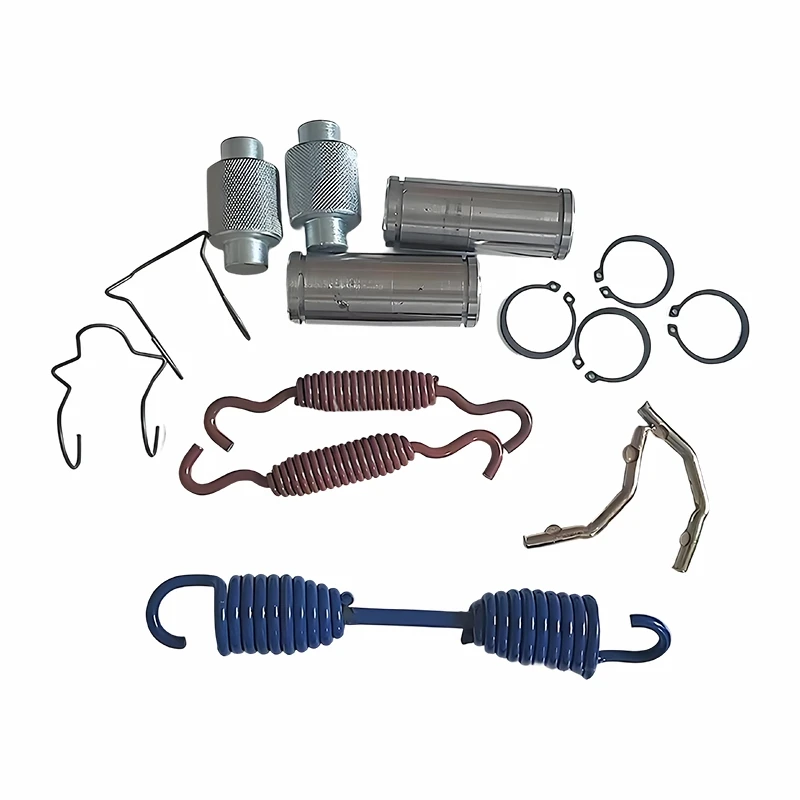
The Return Spring in the braking system is also related to the overall performance of the wheel bearings. A weak or broken return spring can cause the brakes to drag, resulting in increased friction and heat on the wheel bearings.
Importance of Regular Inspections
Regular inspections of wheel bearings are crucial for several reasons. First and foremost, they help ensure the safety of the vehicle or equipment. A failed wheel bearing can cause the wheel to seize or come loose, which can lead to a serious accident.
Secondly, regular inspections can help prevent costly repairs. By detecting problems early, you can replace or repair the bearing before the damage spreads to other components. This can save you time and money in the long run.
Finally, proper inspection and maintenance of wheel bearings can extend their lifespan. By keeping the bearings in good condition, you can get the most out of your investment and reduce the frequency of bearing replacements.

Contact for Procurement
If you're in the market for high - quality wheel bearings or need more information about our products and the inspection methods we recommend, please don't hesitate to contact us. We're here to help you find the right solutions for your specific needs. Our team of experts is knowledgeable and experienced in the field of wheel bearings, and we're committed to providing excellent customer service.
References
- "Handbook of Bearings: Design, Selection, and Application," by Michael A. Khonsari and Erwin R. Booser.
- "Mechanical Engineering Design," by Joseph E. Shigley, Charles R. Mischke, and Thomas H. Brown Jr.
- Industry technical papers from bearing manufacturers such as SKF, Timken, and NTN.


