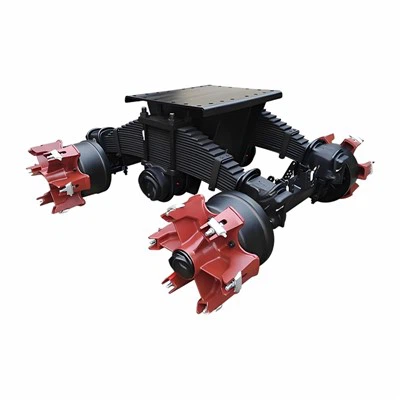
Disruptions in the automotive manufacturing supply chain have been severely impacted by unforeseen circumstances, primarily factory closures due to mandatory lockdowns and restrictions. These unexpected disruptions have led to shortages of vital components such as axles and raw materials, which are essential in the production process. As a result, several manufacturers have experienced delays in vehicle assembly, resulting in longer wait times for customers and affecting overall sales figures for the automotive industry. This situation has vividly highlighted the inherent fragility of global supply chains and the interdependence of different industries, prompting many companies to re-examine their sourcing methods and inventory management protocols to mitigate potential risks.
The recent trajectory of the automotive axle market includes a shift towards electrification. This major shift stems from the growing popularity of electric vehicles, which requires the use of specific axles for enhanced functionality. Companies are gradually leveraging lighter materials to improve fuel economy and integrating smart technologies for instant monitoring. In addition, sustainability remains a key priority, with environmentally friendly materials and procedures being highly valued. At the same time, a thriving aftermarket reflects the growing maintenance needs of aging vehicles, laying the foundation for continued development and innovation in this market.
Automotive Axle Market Segmentation
By Type
Based on type, the global market can be segmented into chassis component axles, engine component axles, and driveline axles.
Chassis component axles:
The recent trajectory of the automotive axle market includes a shift toward electrification. This major shift stems from the growing popularity of electric vehicles, which requires the use of specific axles for enhanced functionality. Companies are gradually utilizing lighter materials to improve fuel economy and integrating smart technologies for real-time monitoring. In addition, sustainability remains a key priority, with environmentally friendly materials and procedures being highly valued. At the same time, a thriving aftermarket reflects the growing maintenance needs of aging vehicles, laying the foundation for continued development and innovation in this market.