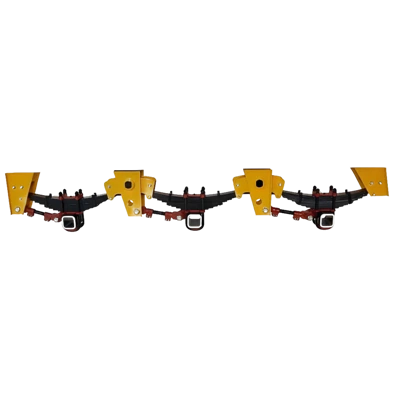
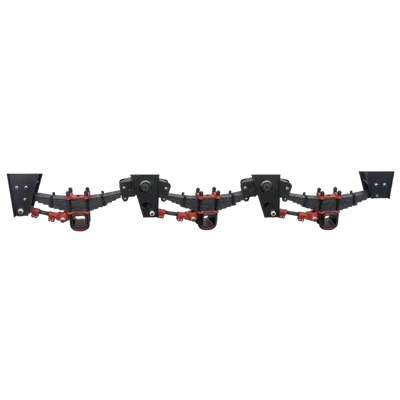
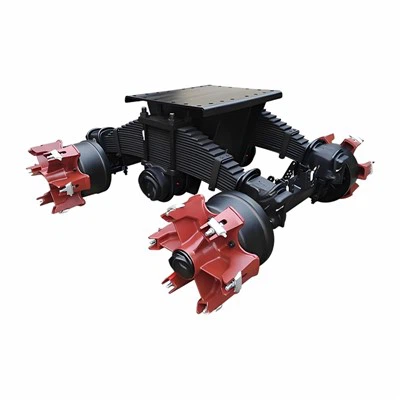
As the transportation industry continues to demand higher levels of efficiency, safety, and driving comfort, vehicle suspension technology has become a key factor affecting overall performance. From commercial trucks and trailers to passenger vehicles and specialty transportation equipment, a reliable suspension system plays an important role in improving handling, protecting cargo, and enhancing the driving experience. Among modern suspension solutions, Air Suspension has gained popularity because of its ability to provide flexible support, improved stability, and better load management.
Unlike traditional suspension systems that mainly depend on fixed mechanical components, air-based suspension technology uses adjustable air pressure to respond to different road conditions and vehicle requirements. This advanced approach allows vehicles to achieve smoother operation while adapting to changing loads and driving environments.

The Importance of Suspension Systems in Modern Vehicles
A vehicle's suspension system connects the wheels with the main body structure and helps absorb shocks caused by uneven roads. It directly influences ride comfort, steering control, tire performance, and the protection of vehicle components.
For commercial vehicles, suspension performance is especially important because they often carry different types of cargo under various operating conditions. Changes in load weight can affect vehicle balance and handling. A flexible suspension solution helps maintain proper support and improves overall transportation efficiency.
Modern transportation businesses are increasingly looking for technologies that can reduce wear, improve safety, and provide better control. This has made advanced suspension solutions an important part of vehicle development.
Improving Driving Comfort on Different Road Conditions
One of the biggest advantages of air-based suspension technology is its ability to provide a smoother driving experience. Roads often contain uneven surfaces, bumps, and changing conditions that can create vibration and discomfort.
By using air-filled components instead of traditional rigid springs, the suspension system can absorb impacts more effectively. This helps reduce vibration transferred to the vehicle body, creating a more comfortable environment for drivers and passengers.
For passenger vehicles, improved comfort enhances the overall travel experience. For commercial drivers who spend long hours on the road, reduced vibration can help lower fatigue and improve working conditions.
Enhancing Vehicle Stability and Handling Performance
Vehicle stability is essential for safe operation, especially for trucks, trailers, and heavy-duty vehicles. When carrying different loads, maintaining balance becomes more challenging.
Air Suspension systems can adjust support according to vehicle conditions, helping maintain a more stable position during driving. This adjustment capability improves handling performance and allows vehicles to respond better to different road environments.
Better stability also contributes to improved tire contact with the road surface. This helps enhance control during braking, turning, and long-distance transportation, making vehicles safer and more reliable.
Supporting Better Load Control in Transportation
Cargo transportation requires suspension systems that can handle changing loads effectively. Uneven weight distribution can affect vehicle performance and increase stress on mechanical components.
Air-based suspension technology helps distribute vehicle weight more efficiently by adjusting air pressure according to load requirements. This is especially valuable for logistics vehicles, trailers, and industrial transportation equipment that frequently carry different cargo types.
Better load control can also help protect transported goods. Reduced vibration and improved stability create a safer transportation environment, which is important for industries handling sensitive or valuable products.
Applications Across Different Vehicle Categories
The application range of air suspension technology continues to expand across multiple transportation sectors. In commercial transportation, it is commonly used in trucks, trailers, buses, and specialized vehicles where comfort and stability are important.
For logistics companies, advanced suspension systems help improve vehicle performance during long-distance transportation. The ability to handle different cargo conditions makes them suitable for various freight operations.
In passenger vehicles, air-based suspension solutions are often associated with premium driving experiences. They provide improved ride quality and allow manufacturers to offer more advanced comfort features.
Special-purpose vehicles, including recreational vehicles and industrial transport equipment, can also benefit from flexible suspension technology because they often operate in different environments and require better adaptability.
Key Features Behind Reliable Performance
The effectiveness of an air suspension system depends on the quality of its components and overall design. Important elements include air springs, control valves, air compressors, and electronic management systems.
High-quality materials help ensure durability and resistance to environmental conditions. Reliable manufacturing processes improve system stability and allow components to perform consistently during long-term operation.
Advanced control systems also contribute to better performance by allowing more accurate adjustments. These improvements help vehicles achieve a balance between comfort, safety, and efficiency.
Maintenance Tips for Long-Term Operation
Proper maintenance is essential for keeping suspension systems working effectively. Regular inspections can help identify potential problems such as air leakage, component damage, or abnormal vehicle height changes.
Operators should monitor vehicle performance and pay attention to unusual noises, uneven handling, or changes in ride quality. Early detection of issues can help prevent larger maintenance problems.
Selecting reliable replacement parts is also important. High-quality components improve compatibility and help maintain the original performance of the vehicle suspension system.
Future Development of Suspension Technology
With the continuous development of smart transportation and advanced vehicle systems, suspension technology is becoming more intelligent and adaptable. Manufacturers are focusing on improving efficiency, durability, and integration with modern vehicle control systems.
Future suspension solutions will continue to support safer and more comfortable transportation by providing better adjustment capabilities and improved performance. These developments will benefit industries seeking more efficient vehicle operation and improved user experiences.
Conclusion
Vehicle suspension technology has a direct impact on comfort, stability, and transportation efficiency. Through flexible adjustment and improved load support, Air Suspension provides an effective solution for modern vehicles across commercial, industrial, and passenger applications. As transportation demands continue to evolve, advanced suspension systems will remain an important technology for creating safer, smoother, and more efficient mobility solutions.