In the heavy transportation industry, reliability is one of the most important factors when choosing vehicle components. Trucks, trailers, and commercial vehicles often operate under demanding conditions, carrying heavy loads across different types of roads and working environments. For these vehicles, a stable and durable suspension system is essential to ensure safety, performance, and long-term operation. This is why Mechanical Suspension continues to be a trusted choice for many heavy-duty vehicle manufacturers and fleet operators worldwide.
Although modern transportation technology continues to develop, Mechanical Suspension remains widely used because of its simple structure, strong load-bearing capability, and excellent durability. Unlike more complicated suspension systems that rely on advanced electronic controls, mechanical suspension uses a proven mechanical design that can deliver reliable performance even in challenging environments.
From semi-trailers and cargo trucks to construction and agricultural vehicles, mechanical suspension systems continue to support efficient transportation operations. Their ability to handle heavy loads while keeping maintenance costs under control makes them an ideal solution for many industries.

What Is Mechanical Suspension?
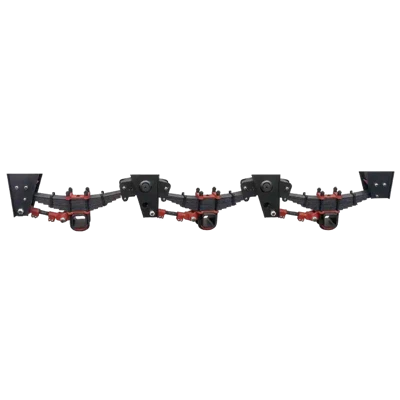
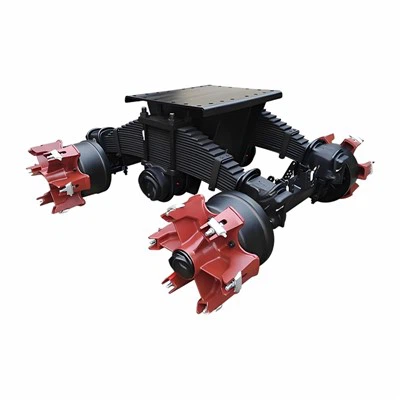
Mechanical Suspension is a traditional suspension system that uses mechanical components such as leaf springs, suspension brackets, hangers, and equalizers to support vehicle weight and improve driving stability.
The main purpose of a mechanical suspension system is to connect the vehicle frame with the axle while absorbing road impacts and maintaining proper load distribution. When a heavy-duty vehicle travels on uneven roads, the suspension system helps reduce vibration and protects both the vehicle structure and transported goods.
One of the biggest advantages of mechanical suspension is its straightforward design. Because it contains fewer complex components compared with some advanced suspension solutions, it is easier to inspect, repair, and maintain.
This practical design has allowed mechanical suspension to remain an important choice in industries where reliability and durability are more important than unnecessary complexity.
Why Heavy-Duty Vehicles Still Choose Mechanical Suspension
The continued popularity of Mechanical Suspension comes from its ability to meet the real-world demands of heavy transportation.
One of the most important advantages is strong load capacity. Heavy-duty vehicles often carry construction materials, machinery, agricultural products, and other heavy cargo. A reliable suspension system must provide stable support throughout long-distance transportation.
Mechanical suspension is designed to handle these challenges. Its robust structure allows vehicles to operate under high loads while maintaining stability and safety.
Another reason companies prefer mechanical suspension is its durability. Many transportation vehicles work in harsh conditions, including construction sites, mining areas, rural roads, and industrial environments. Mechanical components are built to withstand repeated stress, impact, and continuous operation.
Maintenance efficiency is also a key factor. Fleet operators need vehicles that can stay on the road and minimize downtime. Since mechanical suspension systems are relatively simple, maintenance work is usually more convenient and cost-effective.
Applications of Mechanical Suspension in Different Industries
The application of Mechanical Suspension covers a wide range of heavy-duty transportation fields.
Semi-Trailers and Freight Transportation
Semi-trailers are one of the most common applications for mechanical suspension systems. These vehicles are often used for transporting heavy and oversized cargo over long distances.
A reliable mechanical suspension system helps distribute weight evenly across the trailer structure, improving stability and reducing stress on other components.
For logistics companies, this means better transportation efficiency and fewer maintenance issues during daily operations.
Construction and Mining Vehicles
Construction and mining environments place extremely high demands on vehicle performance. Trucks operating in these areas often face rough roads, heavy loads, and continuous working pressure.
Mechanical suspension provides the strength and reliability needed for these demanding applications. Its durable structure allows vehicles to continue operating effectively even in difficult conditions.
Agricultural Transportation
Agricultural vehicles frequently operate on uneven terrain and require suspension systems that can handle changing conditions.
Mechanical suspension offers dependable support for agricultural trailers and transport equipment, helping improve mobility and reduce wear caused by unstable surfaces.
Key Benefits of Mechanical Suspension Systems
Choosing a high-quality Mechanical Suspension system provides several advantages for vehicle owners and manufacturers.
Excellent Durability
Mechanical suspension components are designed for long-term use. Strong materials and reliable structures allow them to perform well under heavy loads and difficult working conditions.
Simple Maintenance
Compared with more complex suspension systems, mechanical suspension is easier to maintain. This helps reduce repair time and lowers overall operating expenses.
Cost-Effective Performance
For many transportation companies, controlling operating costs is essential. Mechanical suspension provides reliable performance without requiring expensive maintenance systems or specialized service equipment.
Strong Adaptability
Mechanical suspension can be used in different types of heavy-duty vehicles and customized according to specific transportation requirements.
How to Select the Right Mechanical Suspension Supplier
For international buyers, choosing a dependable Mechanical Suspension supplier is an important part of ensuring vehicle quality and performance.
A professional supplier should have strong manufacturing experience, strict quality control procedures, and the ability to provide products suitable for different vehicle applications.
Before purchasing, customers should consider factors such as component materials, load requirements, manufacturing standards, and product compatibility.
A reliable supplier should also provide technical support and after-sales service. This helps customers solve installation or maintenance issues and ensures long-term cooperation.
Future Development Trends of Mechanical Suspension
As the transportation industry continues to evolve, the demand for reliable suspension solutions will continue to grow. Although new technologies are entering the market, Mechanical Suspension will remain an important option for many heavy-duty vehicle applications.
Future improvements will focus on stronger materials, optimized designs, and better manufacturing processes. Manufacturers are working to improve performance while reducing weight and increasing service life.
With the continuous expansion of global logistics, construction, and industrial transportation, mechanical suspension will continue to play a valuable role in supporting safe and efficient vehicle operations.
Conclusion
Mechanical Suspension remains a reliable choice for heavy-duty vehicles because of its durability, simplicity, and strong performance under demanding conditions. From freight transportation and construction equipment to agricultural applications, it provides the stability and support required for efficient operation.
For companies looking to improve vehicle reliability while controlling maintenance costs, investing in high-quality mechanical suspension components is a practical decision. As global transportation needs continue to increase, mechanical suspension will continue to be a trusted solution for heavy-duty vehicles around the world.